Building for What’s Next: Integrated Planning for Advanced Manufacturing and Automotive Campuses
September 10, 2026
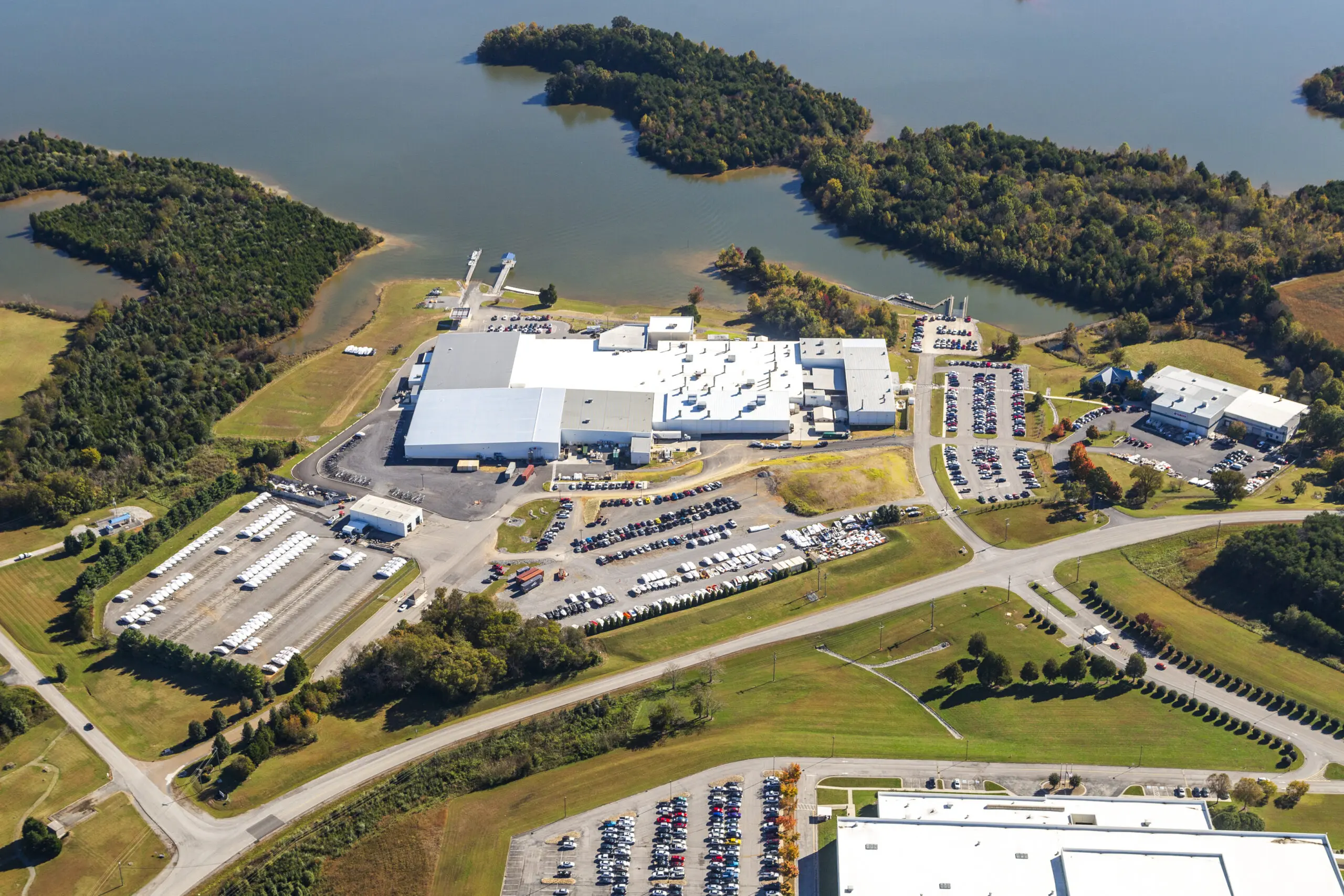
Growth in automotive and advanced manufacturing is changing what companies need from their facilities. Advanced manufacturing and automotive campus planning can help manufacturers create environments that support production, employees, logistics, technology and future growth at the same time.
That means the conversation is increasingly bigger than the next building.
“Manufacturers aren’t just thinking about adding square footage. They’re looking at how that investment affects the entire campus and positions them for the next phase of growth,” said Bill Keckeis, Senior Project Executive at Messer Construction Co. “The earlier we can have those conversations, the more opportunities there are to make smart decisions that serve both the immediate project and the long-term operation.”
A new manufacturing facility may be the centerpiece of an expansion, but its success often depends on everything surrounding it: utilities, parking, site access, material flow, offices and supporting infrastructure. Those components are most effective when considered as one connected campus rather than a series of independent projects.
Look beyond the building footprint
Manufacturing projects come with significant operational requirements. Specialized equipment, electrical capacity, HVAC systems, shipping and receiving, employee spaces and site logistics all need to work together.
At Aisin Automotive Casting’s facility in London, Kentucky, Messer’s work included manufacturing, die casting, clean-room assembly, shipping and receiving and a wastewater treatment plant. At Aisin’s Clinton, Tennessee, operations, Messer later constructed a second phase while the original facility remained occupied and operational.
Both projects reinforce an important consideration: a facility cannot be planned in isolation from the operations around it.
Early planning should consider questions such as:
- Can current utilities support future growth?
- How will employees, materials and vehicles move across the campus?
- Could today’s infrastructure interfere with future expansion?
- How will increased production affect parking, access and storage?
Addressing those questions early can help manufacturers meet immediate needs without unnecessarily limiting future options.
Infrastructure affects speed to market
For manufacturers responding to changing demand, speed to market matters. But an aggressive construction schedule only works when the supporting infrastructure is ready with it.
Messer’s expansion for Yamaha Jet Boat Manufacturing USA/Tennessee Watercraft, Inc. included manufacturing-related space along with utility upgrades, additional storage, a relocated entrance and site security improvements. The project was fast-tracked while the existing facility remained operational.
Highly specialized facilities can require even greater coordination. For iMFLUX in Hamilton, Ohio, Messer converted a former wood shop into a custom metal mold manufacturing facility. The project required a 300% increase in electrical service capacity and a 30% increase in HVAC capacity, along with specialized systems supporting manufacturing equipment and processes.
These projects demonstrate why utilities, building systems, site circulation and other enabling infrastructure should be part of the project strategy from the beginning rather than addressed later.
Plan for the campus, not just the project
Manufacturing growth rarely happens through one project. Advanced manufacturing and automotive campus planning helps owners look beyond the immediate expansion and consider how future investments could affect the entire operation.
A production expansion may lead to additional offices. New equipment can increase electrical demand. Workforce growth can affect parking and circulation. Increased production may alter shipping, storage and site-access requirements.
Treating each project independently can create a patchwork of solutions. An integrated approach considers how those investments interact.
“One of the most valuable things an owner can do is bring the construction team in early and share the bigger picture,” Keckeis said. “Don’t just show us where the next building needs to go. Tell us where you think the campus could be five or 10 years from now.”
Owners do not need every future expansion mapped out. They simply need enough visibility into the long-term vision to avoid creating unnecessary obstacles.
A utility line installed in the wrong location could interfere with a future building. Infrastructure sized only for current demand may need to be replaced rather than expanded. Parking or circulation designed only for today’s workforce may quickly become inadequate.
Considering those possibilities early helps preserve options.
Keep operations moving during growth
Campus planning becomes even more important when construction occurs alongside ongoing manufacturing.
Project teams must work around employees, deliveries, production schedules and existing infrastructure with little tolerance for disruption. That requires careful planning around traffic patterns, employee parking, utility shutdowns, material staging and delivery routes.